
Debunking Common Myths About Anxiety Disorders


Understanding Anxiety Disorders
Anxiety disorders are a common mental health condition affecting millions worldwide. Despite their prevalence, there are numerous misconceptions surrounding them. This can lead to stigma and misunderstanding, making it difficult for those affected to seek help. It's crucial to debunk these myths to foster a supportive environment for individuals dealing with anxiety.

Myth 1: Anxiety Disorders Are Just a Phase
One of the most common myths is that anxiety disorders are merely a phase people go through. This misconception minimizes the seriousness of the condition and can discourage individuals from seeking appropriate treatment. Anxiety disorders are not temporary; they often require long-term strategies and professional intervention to manage effectively.
Unlike normal anxiety, which can arise from stress and typically subsides, anxiety disorders are persistent and can significantly impact daily life. Recognizing the difference is the first step in addressing the issue properly.
Myth 2: Anxiety Is Not a Real Illness
Another misconception is that anxiety is not a "real" illness but rather a personal weakness or flaw. This belief can prevent people from acknowledging their symptoms and seeking help. In reality, anxiety disorders are legitimate mental health conditions with biological, psychological, and environmental factors contributing to their development.

Scientific research has shown that anxiety disorders involve complex brain chemistry and can be influenced by genetics. Understanding this can help shift the perception of anxiety from a personal failing to a treatable medical condition.
Myth 3: You Can Just "Snap Out of It"
Many people mistakenly believe that those with anxiety disorders can simply "snap out of it" or overcome their anxiety through sheer willpower. This myth can lead to frustration and shame for those who are unable to manage their symptoms without assistance.
- Effective treatment often involves a combination of therapy, medication, and lifestyle changes.
- Support from friends and family can also play a critical role in recovery.

Myth 4: Anxiety Disorders Are Rare
Some people think anxiety disorders are rare, but they are actually among the most common mental health issues. According to the World Health Organization, one in 13 people globally suffers from anxiety, making it a widespread concern.
Raising awareness about the prevalence of anxiety disorders can help reduce stigma and encourage more people to seek help. Understanding that anxiety is common can make it easier for individuals to talk about their experiences and seek support.
Myth 5: Only Adults Experience Anxiety Disorders
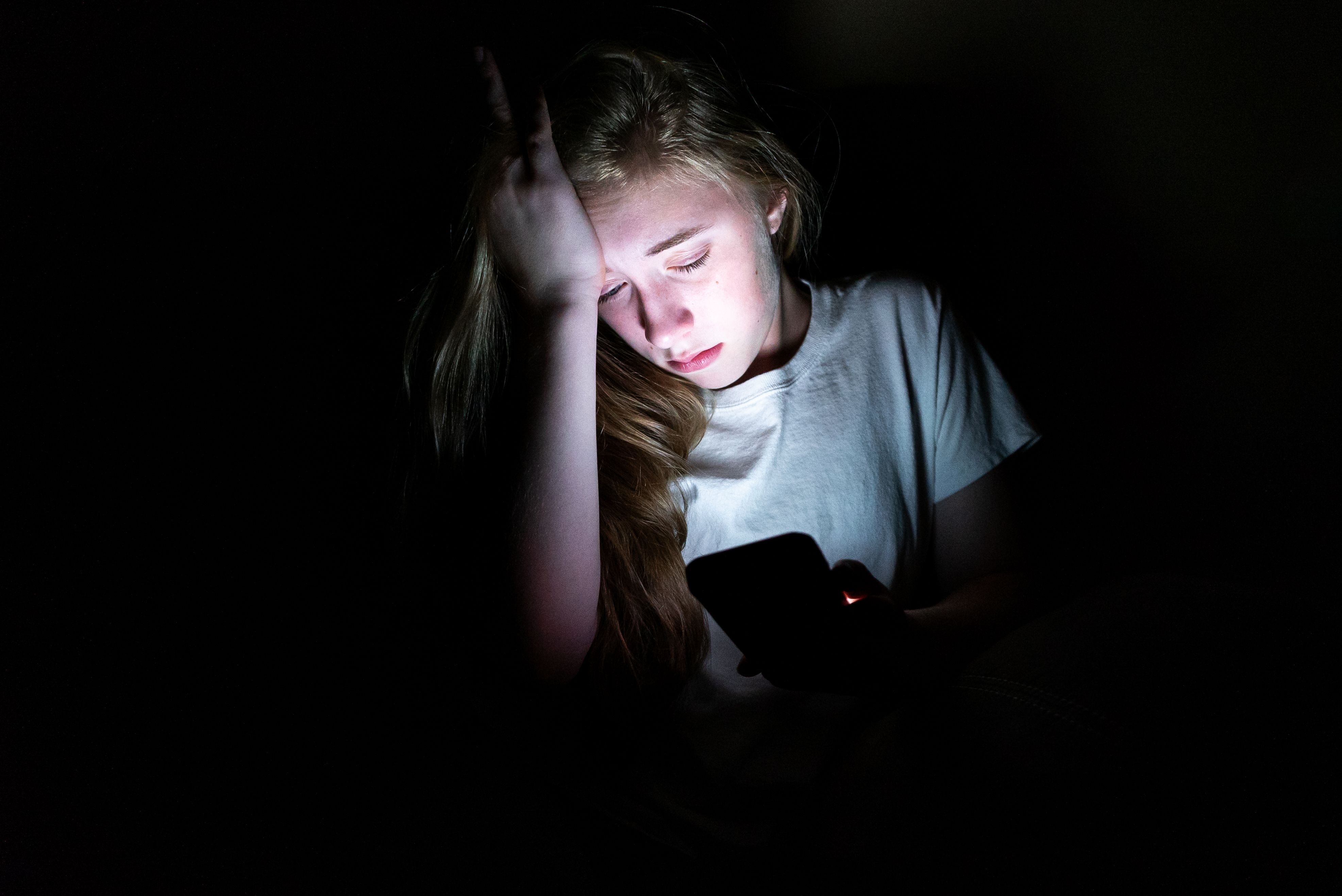
It's a myth that only adults can suffer from anxiety disorders. Children and teenagers can also be affected, and early signs can be overlooked due to the misconception that young people are too carefree to experience such issues.
Recognizing anxiety in young people can lead to early intervention, which is crucial for effective treatment and can significantly improve quality of life. Parents, teachers, and caregivers should be aware of the signs and symptoms to provide the necessary support.
Conclusion
Debunking myths about anxiety disorders is essential for creating a more informed and empathetic society. By understanding the reality of these conditions, we can better support those affected and encourage them to seek the help they need. Education and awareness are key to breaking down barriers and dispelling the stigma surrounding mental health.