
A Comprehensive Guide to OCD Treatment Options in Lawrence County


Understanding OCD
Obsessive-Compulsive Disorder (OCD) is a mental health condition characterized by persistent, unwanted thoughts (obsessions) and repetitive behaviors (compulsions). These symptoms can significantly interfere with daily life, making effective treatment essential. For residents of Lawrence County, understanding the available treatment options is the first step toward managing OCD.

Therapy Options
Cognitive Behavioral Therapy (CBT)
Cognitive Behavioral Therapy is a widely recognized and effective treatment for OCD. It focuses on changing negative thought patterns and behaviors. A specific form of CBT, known as Exposure and Response Prevention (ERP), is particularly effective. ERP involves exposing individuals to their fears in a controlled environment and helping them refrain from performing compulsive behaviors.
Mindfulness-Based Therapies
Mindfulness-based therapies are gaining popularity as complementary treatments for OCD. These therapies focus on increasing awareness and acceptance of thoughts and feelings without judgment. This approach can help reduce the impact of obsessions and compulsions over time.
Medication Options
Medication can be an effective component of OCD treatment. Selective Serotonin Reuptake Inhibitors (SSRIs) are commonly prescribed to help manage symptoms. In some cases, other medications may be considered, depending on the individual's response and specific needs.

Support Groups and Community Resources
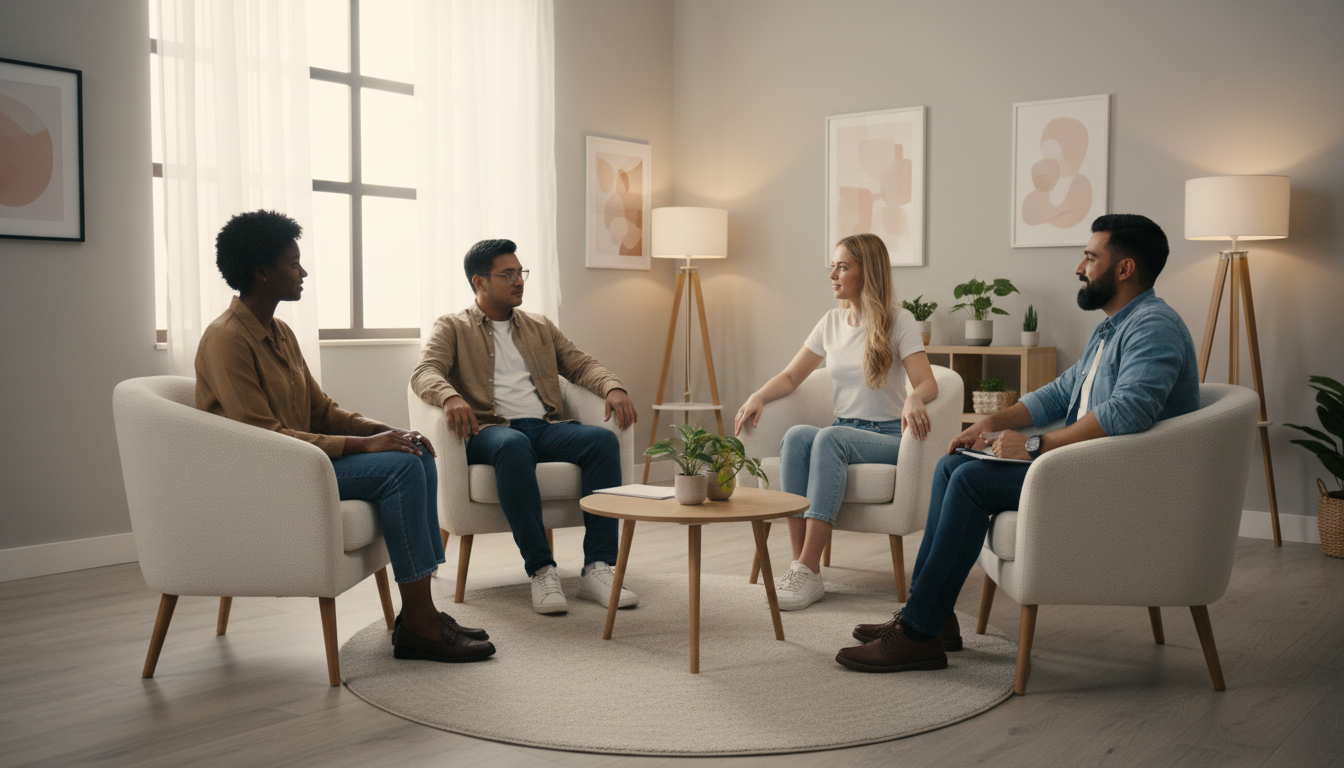
Support groups offer a platform for individuals with OCD to share experiences and strategies. Connecting with others who understand the challenges of OCD can provide emotional support and practical advice. Lawrence County hosts several support groups and community resources dedicated to mental health.
Local Mental Health Facilities
Lawrence County is home to various mental health facilities that offer specialized services for OCD. These institutions provide comprehensive care, combining therapy, medication management, and support groups to create personalized treatment plans.
Alternative and Complementary Treatments
Aside from traditional therapies and medication, some individuals explore alternative treatments such as acupuncture, yoga, or dietary changes to manage OCD symptoms. While these methods are not replacements for professional treatment, they can be valuable additions to a comprehensive care plan.
Conclusion
Understanding the range of OCD treatment options available in Lawrence County can empower individuals to make informed decisions about their care. Whether through therapy, medication, or support groups, there are numerous pathways to manage OCD effectively. If you or someone you know is struggling with OCD, reaching out to local resources can be the first step toward a healthier, more balanced life.