
Comparing Anxiety and OCD Treatment Options: What Works Best?


Understanding Anxiety and OCD
Anxiety and Obsessive-Compulsive Disorder (OCD) are two prevalent mental health conditions that can significantly affect an individual's quality of life. While they share some overlapping symptoms, they are distinct disorders with unique treatment approaches. Understanding the differences in treatment options is crucial for those seeking help.
Anxiety disorders encompass a range of conditions, such as Generalized Anxiety Disorder (GAD), Panic Disorder, and Social Anxiety Disorder. OCD, on the other hand, is characterized by intrusive thoughts (obsessions) and repetitive behaviors (compulsions). Both conditions can be debilitating, but effective treatment options are available.

Cognitive Behavioral Therapy (CBT)
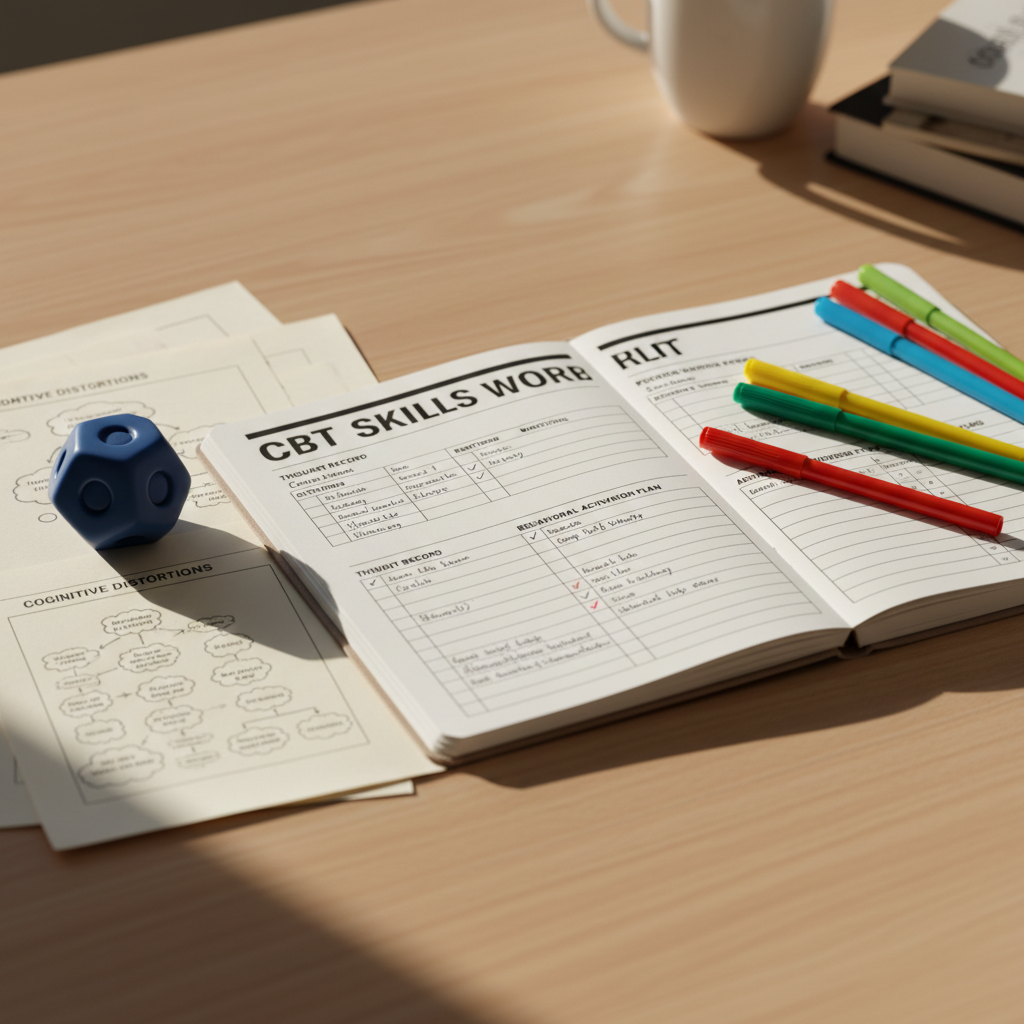
Cognitive Behavioral Therapy (CBT) is a widely used treatment for both anxiety and OCD. It focuses on identifying and changing negative thought patterns and behaviors. For anxiety, CBT helps individuals recognize irrational fears and develop coping strategies. For OCD, it often includes Exposure and Response Prevention (ERP), a technique that involves gradually facing feared situations while resisting compulsions.
CBT is often recommended as a first-line treatment due to its strong evidence base. It is typically conducted over a series of weeks or months and can be tailored to the specific needs of the individual. Many find relief from symptoms after consistent sessions.
Medication Options
Medication is another common treatment option for both anxiety and OCD. Selective Serotonin Reuptake Inhibitors (SSRIs) are often prescribed to help manage symptoms. They work by increasing serotonin levels in the brain, which can improve mood and reduce anxiety. Common SSRIs include fluoxetine, sertraline, and escitalopram.
While medication can be effective, it may not work for everyone, and side effects can occur. It's important to discuss the potential benefits and risks with a healthcare provider. Medication is often most effective when combined with therapy.

Alternative and Complementary Therapies
For those seeking alternative approaches, options such as mindfulness, yoga, and acupuncture may provide additional relief. Mindfulness and meditation practices can help individuals become more aware of their thoughts and emotions, reducing stress and anxiety levels.
These complementary therapies can be used alongside traditional treatments to enhance overall well-being. However, it's essential to consult with a healthcare professional to ensure these methods are appropriate for your specific condition.
Choosing the Right Treatment
When deciding on a treatment plan, consider the severity of symptoms, personal preferences, and any previous treatment history. A combination of therapies often yields the best results, as it addresses both the psychological and physiological aspects of the disorders.
Consulting with a mental health professional is an important step in determining the most effective treatment strategy. They can provide personalized recommendations based on a thorough assessment of your condition.

Conclusion
Both anxiety and OCD can be managed effectively with the right treatment approach. Whether through therapy, medication, or a combination of methods, individuals can find relief and improve their quality of life. By understanding the available options, you can make informed decisions and take proactive steps toward recovery.