
Comprehensive Guide to Managing Anxiety and OCD


Understanding Anxiety and OCD
Anxiety and Obsessive-Compulsive Disorder (OCD) are two mental health conditions that can significantly impact daily life. While they share some similarities, they are distinct disorders requiring different approaches for management. Understanding these conditions is the first step towards effectively managing them.
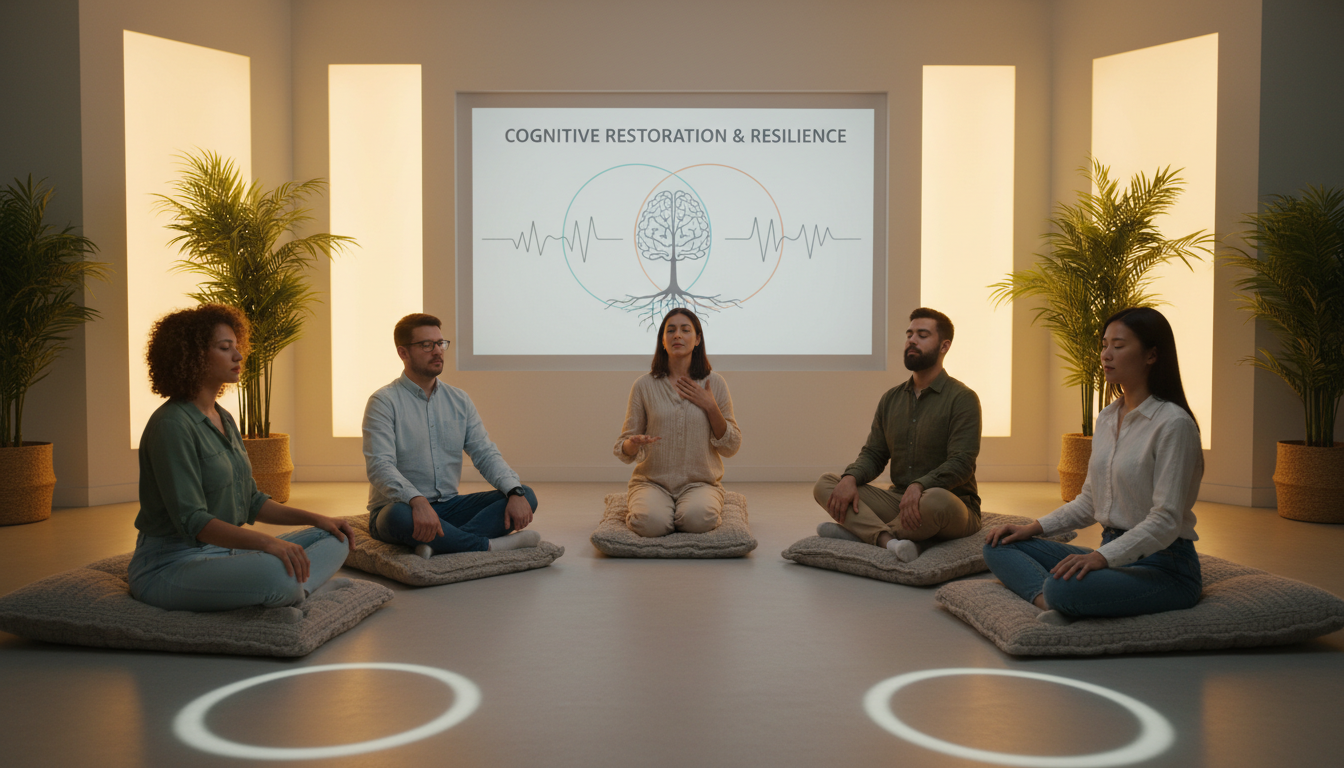
Anxiety is characterized by excessive worry and fear, often about everyday situations. It can manifest physically through symptoms like increased heart rate and sweating. OCD, on the other hand, involves unwanted repetitive thoughts (obsessions) and behaviors (compulsions) that individuals feel compelled to perform. These compulsions are often a way to reduce anxiety caused by the obsessions.
Recognizing the Symptoms
Identifying the symptoms of anxiety and OCD is crucial for effective management. Common anxiety symptoms include restlessness, fatigue, difficulty concentrating, and sleep disturbances. For OCD, symptoms involve persistent, unwanted thoughts and compulsions like excessive cleaning or checking.
Recognizing these symptoms early can lead to better outcomes. It's essential to consult a healthcare professional if you suspect you or someone you know may be experiencing these symptoms.

Effective Management Strategies
Therapy Options
Therapy is a cornerstone of managing both anxiety and OCD. Cognitive Behavioral Therapy (CBT) is particularly effective, helping individuals change thought patterns and behaviors. Exposure and Response Prevention (ERP) is another effective therapy for OCD, involving gradual exposure to fears and learning to resist compulsions.
Medication
In some cases, medication may be necessary to manage symptoms. Selective serotonin reuptake inhibitors (SSRIs) are commonly prescribed for both anxiety and OCD. It's important to work closely with a healthcare provider to find the right medication and dosage.

Lifestyle Changes
Incorporating lifestyle changes can significantly aid in managing anxiety and OCD. Regular exercise, a balanced diet, and adequate sleep are foundational. Mindfulness and relaxation techniques, such as meditation and yoga, can also be beneficial.
Building a support network is equally important. Connecting with others who understand your experiences can provide comfort and encouragement. Support groups, either online or in person, can be valuable resources.

Conclusion
Managing anxiety and OCD is a journey that requires patience and persistence. By understanding the conditions, recognizing symptoms, and implementing effective management strategies, individuals can lead fulfilling lives. Remember, seeking professional help and building a supportive network are key components of this journey.
Prioritize your mental health and take proactive steps towards managing anxiety and OCD. With the right tools and support, it's possible to overcome the challenges these conditions present.