
How Seasonal Changes Affect Anxiety and OCD: Tips for Coping


Understanding the Impact of Seasonal Changes
Seasonal changes can have a profound impact on mental health, particularly for those dealing with anxiety and obsessive-compulsive disorder (OCD). As the seasons transition, shifts in daylight, temperature, and routine can trigger or exacerbate symptoms.
Understanding these effects is crucial for managing mental health effectively. The transition from summer to fall, for example, often brings shorter days and less sunlight, which can affect mood and anxiety levels.

The Connection Between Light and Mood
One of the most significant factors during seasonal changes is the variation in light exposure. Reduced sunlight in autumn and winter can lead to decreased serotonin levels, a neurotransmitter that influences mood, potentially worsening anxiety and OCD symptoms.
To combat this, consider light therapy or spending more time outdoors when possible. Even a short walk in natural light can make a difference.
Routine Disruptions and Their Effects
Seasonal shifts often lead to changes in daily routines, which can be particularly challenging for those with OCD. Alterations in schedules, such as holiday activities or school breaks, can disrupt the sense of order and predictability.
Maintaining a consistent routine as much as possible is crucial. Prepare for changes by planning ahead and setting realistic expectations for yourself.

Temperature and Its Influence on Anxiety
Temperature changes can also impact anxiety levels. Cold weather can lead to increased physical tension, which may heighten anxiety symptoms. Conversely, some may find the heat in summer months uncomfortable, adding to stress.
Engaging in regular physical activity tailored to the season can help manage these effects. Whether it’s a winter yoga session indoors or a summer swim, staying active is key.
Practical Tips for Coping
Here are some practical strategies to help manage anxiety and OCD during seasonal changes:
- Establish a routine: Keeping a regular schedule can reduce uncertainty and provide stability.
- Stay connected: Regular social interactions can alleviate feelings of isolation, especially during colder months.
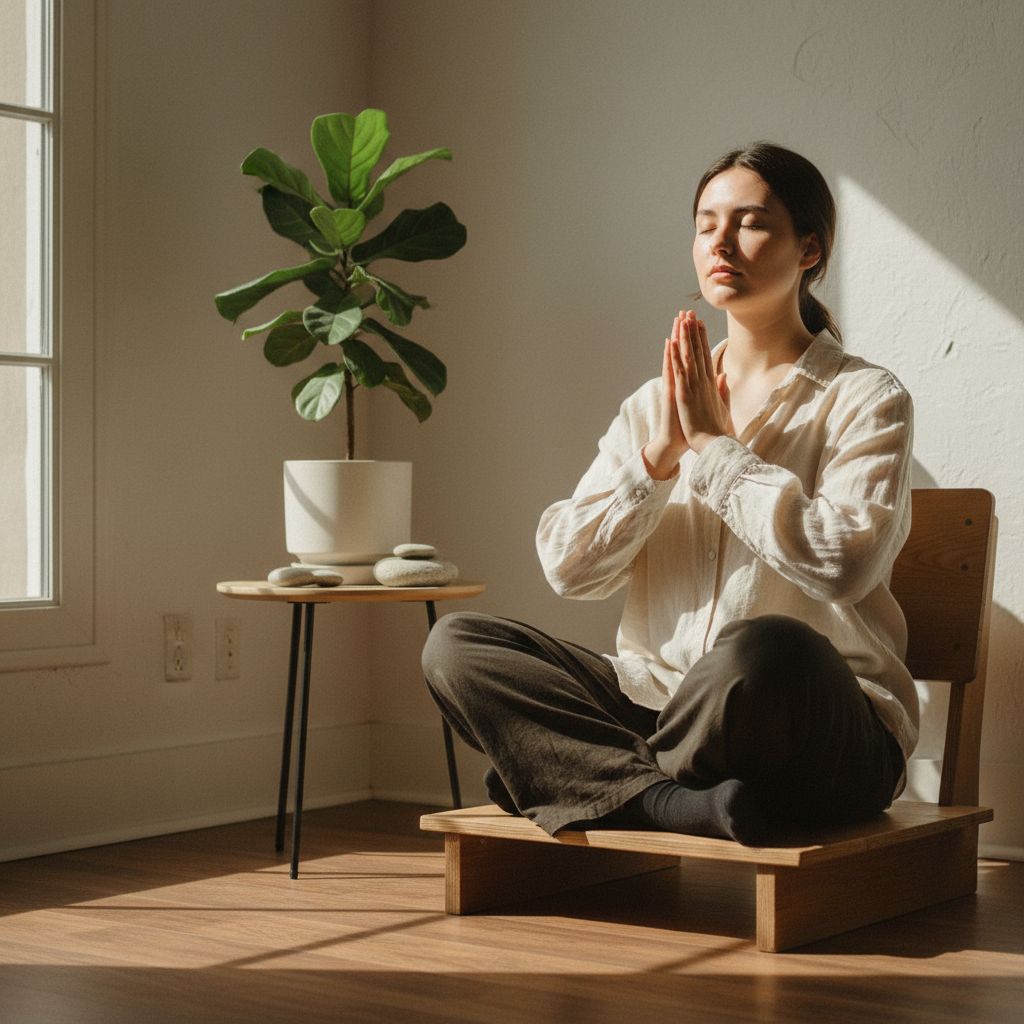
- Practice mindfulness: Techniques like meditation and deep breathing can help manage stress and anxiety.
Seeking Professional Help
If seasonal changes significantly impact your anxiety or OCD, seeking professional help is a beneficial step. Therapies such as cognitive-behavioral therapy (CBT) can provide effective strategies for managing symptoms.
Don't hesitate to reach out to a mental health professional for support tailored to your specific needs.
Embracing Self-Care
Self-care is a crucial component of managing anxiety and OCD during seasonal transitions. This includes getting adequate sleep, maintaining a balanced diet, and engaging in activities that bring joy and relaxation.
By prioritizing self-care, you can better navigate the challenges of seasonal changes and support your overall mental health.