How to Prepare for Seasonal Anxiety Triggers


Understanding Seasonal Anxiety
Seasonal anxiety can be a challenging experience for many people. As the seasons change, certain environmental factors may trigger feelings of anxiety or stress. It's important to recognize these triggers and understand that you are not alone. Many individuals experience heightened anxiety during specific times of the year.

Identify Your Triggers
Start by identifying what specifically triggers your anxiety. Common triggers include shorter daylight hours, holiday stress, or even the pressure of New Year resolutions. By pinpointing the exact cause, you can take proactive steps to manage your anxiety more effectively.
Consider keeping a journal to note when and where your anxiety peaks. This simple practice can offer valuable insights into patterns and help you prepare for similar situations in the future.
Develop Healthy Coping Strategies
Once you've identified your triggers, it's essential to develop coping strategies tailored to your needs. Here are a few techniques that might help:
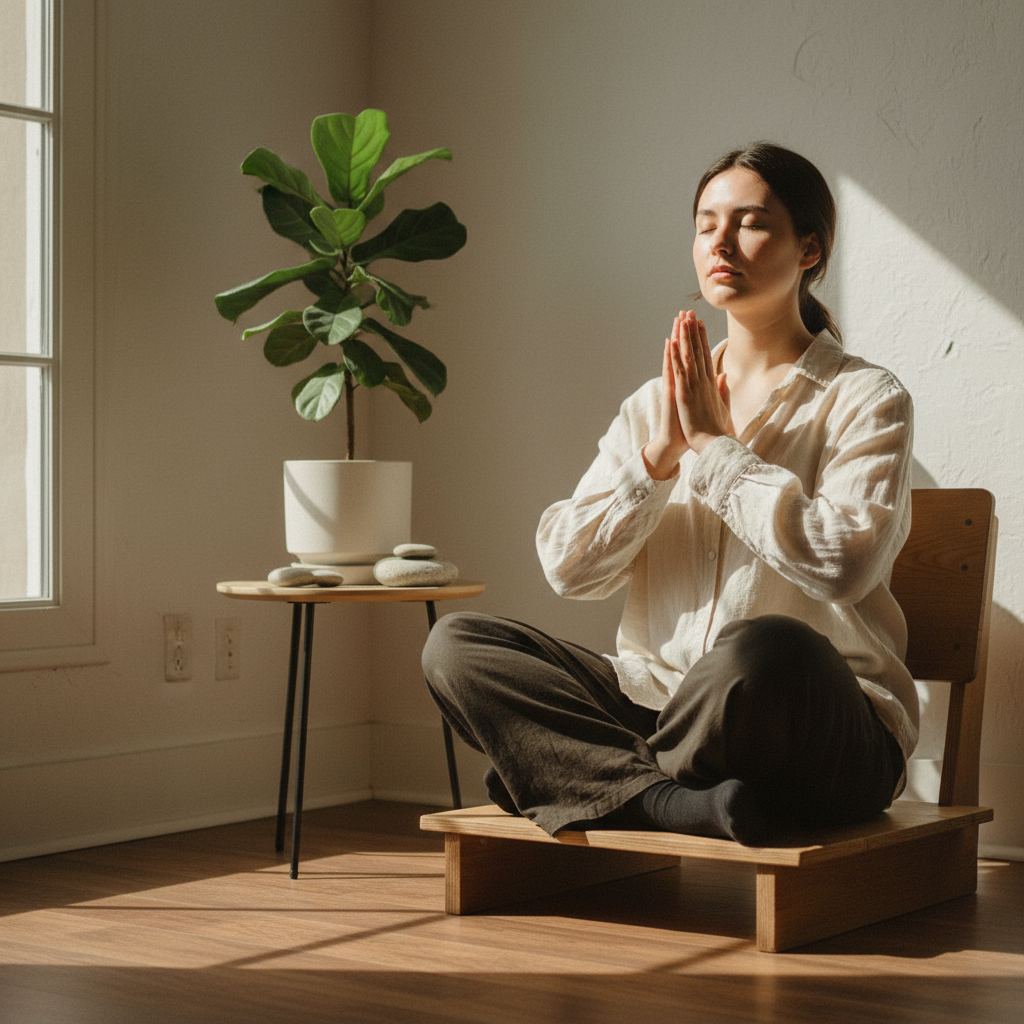
- Mindfulness and Meditation: Practicing mindfulness can help you stay grounded and focused on the present moment. Consider incorporating meditation into your daily routine.
- Physical Activity: Exercise is a powerful tool for reducing stress and anxiety. Even a 30-minute walk can make a significant difference in your mood.
- Balanced Diet: Eating a balanced diet rich in fruits, vegetables, and whole grains can support mental health.
Set Realistic Expectations
During seasons that are traditionally stressful, such as the holidays, it's crucial to set realistic expectations for yourself. Understand that it's okay to say no to certain events or activities if they add to your stress. Prioritize your mental health and well-being over social obligations.
Communicate your needs with family and friends to ensure they understand your boundaries. This can help reduce pressure and make social interactions more enjoyable.
Seek Professional Help
If your anxiety becomes overwhelming, don't hesitate to seek professional help. Therapists and counselors can provide guidance and support tailored to your situation. Cognitive Behavioral Therapy (CBT) is one effective approach for managing anxiety.

Leverage Support Networks
Building a strong support network can be invaluable in managing seasonal anxiety. Reach out to friends, family, or support groups who understand what you're going through. Sharing your experiences with others can provide comfort and reduce feelings of isolation.
Online communities can also offer support and resources, connecting you with people who have similar experiences and insights.
Practice Self-Compassion
Finally, practice self-compassion and be gentle with yourself. Understand that it's normal to feel anxious and that your feelings are valid. Celebrate small victories and progress, even if they seem minor. Over time, these small steps can lead to significant improvements in your mental health.